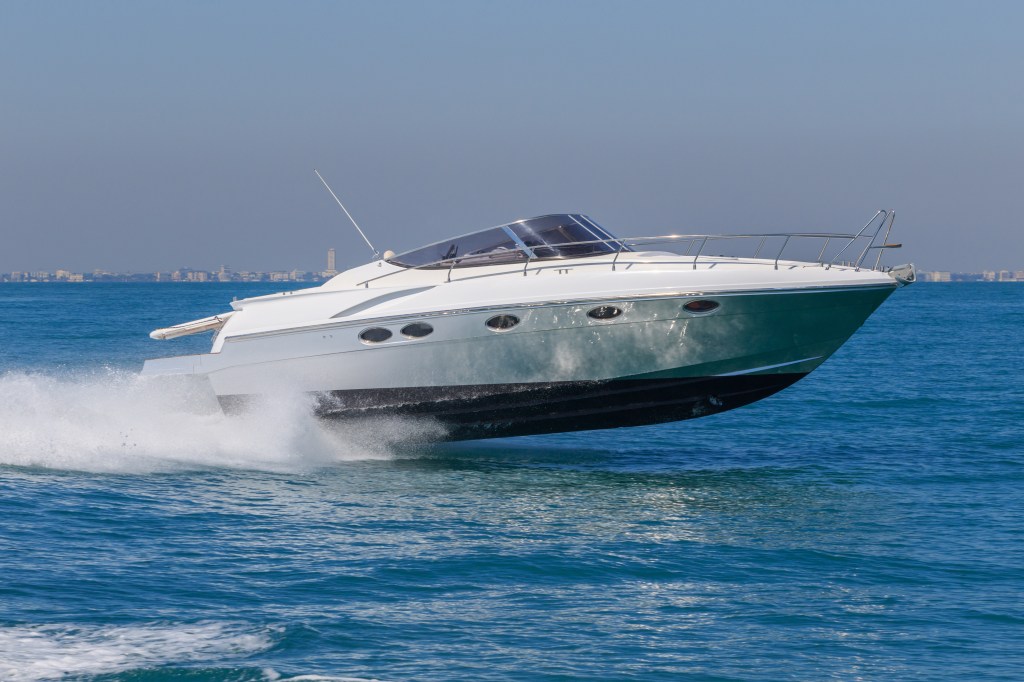
A vessel strike is a collision between any type of boat – from large ships to jet skis – and a marine animal in the ocean. This can result in severe injury and/or immediate or eventual death. Collisions occur when a vessel and marine animal cross paths and the vessel operator does not see the animal clearly or does not have enough time to act to avoid the collision. Sea turtles are vulnerable to vessel collisions as they regularly come up to the surface to breathe, and are also at increased risk during breeding season when they migrate to near shore areas to mate and subsequently nest. These areas have higher vessel traffic. Vessel collisions with marine life is increasing due to the increasing number of vessels in the water, increasing speeds of the vessels and expanding sizes. In urban waters, marine animals don’t necessarily view vessels as threats as they have become accustomed to their presence and therefore do not avoid them. Furthermore, the loud engine noise is located at the back of the vessel which is blocked by the vessel front which means that marine animals don’t often hear the vessel approaching until it is too late.
There are two types of vessel strikes: blunt force trauma and propeller strikes. Blunt force trauma occurs when a vessel strikes a marine animal straight on resulting in bruising, broken bones/shell and/or death. Propeller strikes are caused by the propeller of the vessel and results in deep cuts (sometimes a series of cuts) in the tissue and/or shell, also potentially resulting in death.
It is estimated that hundreds of sea turtles are struck by vessels in the United States every year, and many of them are killed without being observed. According to the Sea Turtle Stranding Network in Florida, vessel strikes have tripled in the last 40 years which correlates with the increase in Florida boat registrations. The shores of Florida are popular nesting grounds for the Green, Leatherback and Loggerhead sea turtle species. Vessel strikes are also one of the most common causes of sea turtles stranding in the United States. In Florida alone, injuries consistent with vessel strikes were observed in 20-30% of stranded sea turtles. In the Galapagos Marine Reserve, boat strikes with sea turtles were frequent at turtle foraging areas near Puerto Baquerizo Moreno, a commercial and tourism port, as well as nesting beaches. Some occurrences of collisions with sea turtles have resulted in the injured turtle fortunately being noticed, rescued and rehabilitated before being released back into the ocean once recovered.
Summary
- There are two types of vessel strikes: blunt force trauma and propeller strikes.
- Blunt force trauma occurs when a vessel strikes a marine animal straight on resulting in bruising, broken bones/shell and/or death.
- Propeller strikes are caused by the propeller of the vessel and results in deep cuts (sometimes a series of cuts) in the tissue and/or shell, also potentially resulting in death.
- Sea turtles are vulnerable to vessel collisions as they regularly come up to the surface to breathe, and are also at increased risk during breeding season when they migrate to near shore areas (where vessel traffic is higher) to mate and subsequently nest.
- Vessel collisions with marine life is increasing due to the increasing number of vessels in the water, increasing speeds of the vessels and expanding sizes.
- In urban waters, marine animals don’t necessarily view vessels as threats as they have become accustomed to their presence.
- The loud engine noise is located at the back of the vessel which is blocked by the vessel front which means that marine animals don’t often hear the vessel approaching until it is too late.
Solution
The first step to reducing the risk of vessel strikes is by reducing the number of vessels in the water at any one time. This can be implemented through zoning, with each zone defined by a maximum number of vessels and speed limits. Vessels and speed limits per zone should be based on the number of occurrences of sea turtles and other marine animals, and may vary according to nesting season. Keeping speeds to 10 knots or less can reduce potential for injury and allows enough time to reduce speed, and if necessary, change direction. It is also important to allocate certain zones as vessel-free zones, particularly in areas with an abundance of wildlife.
While onboard, skippers, other members of the crew and passengers must stay vigilant and always keep a look out for marine animals. If any marine animals are sighted, slow the boat down, put it into neutral, and keep a distance of at least 100 metres. When safe, resume at a slow, safe speed and maintain a safe distance from the animal(s).
Propeller boats should be fitted with prop guards to reduce fatal strikes on marine animals. Prop guards also protect the propellers from striking hard objects and coming off, consequently littering the waters.
Education is vital to encouraging people to reduce or cease non-essential water activities and abide by policies that reduce the risk of vessel strikes. People typically are more willing to adhere to rules when they understand the cause. Through this, people can do their part to respect nature and take care of the natural inhabitants of the waters.
Vessel activity is also highly dependent on human population. As human population eventually declines, the amount of human activity in the waters can decline and be more easily managed.
Summary
- Reducing the number of vessels in the water at any one time through zoning, with each zone defined by a maximum number of vessels and speed limits.
- Vessels and speed limits per zone should be based on the number of occurrences of sea turtles and other marine animals, and may vary according to nesting season.
- Keeping speeds to 10 knots or less can reduce potential for injury and allows enough time to reduce speed, and if necessary, change direction.
- Allocate certain zones as vessel-free zones, particularly in areas with an abundance of wildlife.
- Stay vigilant and always keep a look out for marine animals.
- If marine animals are sighted, slow the boat down, put it into neutral, and keep a distance of at least 100 metres.
- Propeller boats should be fitted with prop guards to reduce fatal strikes on marine animals.
- Educate the public on the importance of reducing or ceasing non-essential water activities and abiding by policies that reduce the risk of vessel strikes.
- As human population eventually declines, the amount of human activity in the waters can decline and be more easily managed.
References
Denkinger, J., Parra, M., Munoz, J. P. et al. Are Boat Strikes a Threat to Sea Turtles in the Galapagos Marine Reserve? Ocean and Coastal Management 80, 29-35 (2013).
Hazel, J., Lawler, I. R., Marsh, H. & Robson, S. Vessel Speed Increases Collision Risk for the Green Turtle Chelonia mydas. Endangered Species Research 3, 105-113 (2007).
NOAA Fisheries: Understanding Vessel Strikes
Save Coastal Wildlife: Help Whales and Sea Turtles from Ship Strikes
Schoeman, R. P., Patterson-Abrolat, C. & Plön, S. A Global Review of Vessel Collisions With Marine Animals. Frontiers in Marine Science 7(292) (2020).
SEER: Presence of Vessels – Effects of Vessel Collision on Marine Life
Sobin, J. M. Diving Behavior of Female Loggerhead Turtles (Caretta caretta) during their Internesting Interval and an Evaluation of the Risk of Boat Strikes. [Master’s Project] (Nicholas School of the Environment of Duke University, 2008).
Work, P. A., Sapp, A. L., Scott, D. W. and Dodd, M. G. Influence of Small Vessel Operation and Propulsion System on Loggerhead Sea Turtle Injuries. Journal of Experimental Marine Biology and Ecology 393(1-2), 168-175 (2010).
 Koru Honu