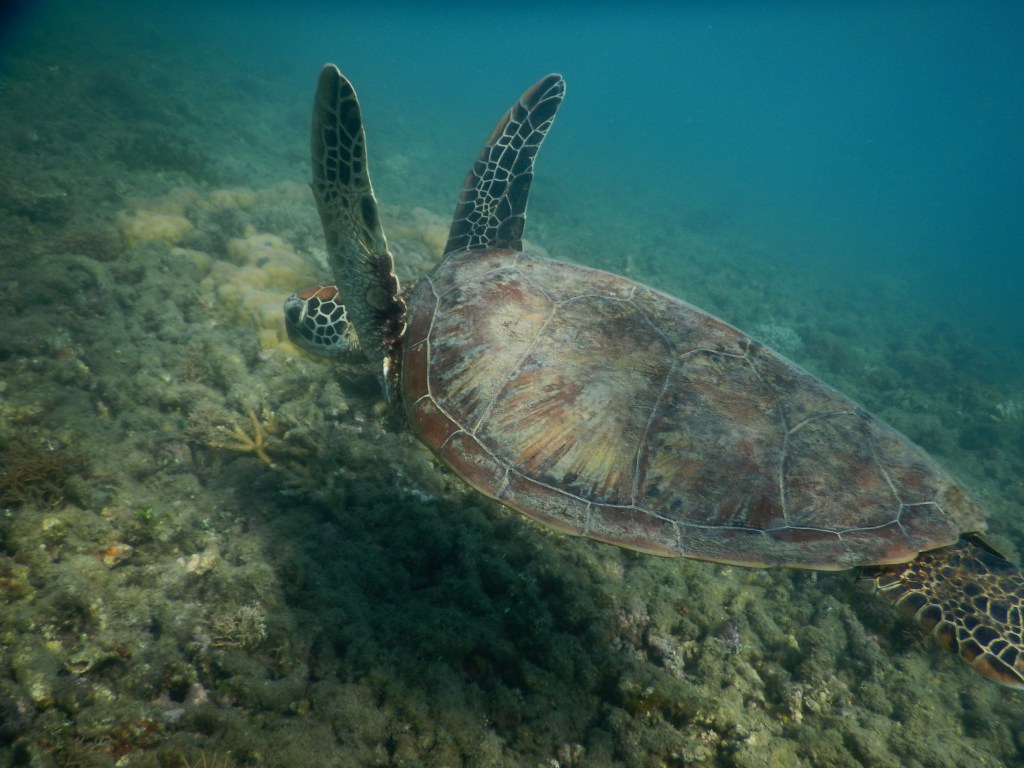
Sea turtles have thrived waters across the planet for 150 million years. Only now have species populations declined and face the serious threat of extinction. While natural predators have always been around, the breadth and intensity of human threats are what have been causing the sudden and steep decline in sea turtles.
Sea turtles play a huge role in two major ecosystems: marine and dune ecosystems. The health of sea turtle populations is an indication of the health of the planet. In the marine ecosystem, sea turtles and manatees help maintain the health of sea grass beds by grazing them. Sea grass beds provide breeding and developmental grounds for many forms of wildlife including various species of fish, shellfish and crustaceans. The decline of sea turtles has resulted in the decline of sea grass beds, which has consequently led to the decline of all other species dependent on sea grass beds for survival. Hawksbill sea turtles protect coral reefs by grazing on sponges that would otherwise outgrow the corals. If sponges were left to grow uncontrollably, they would cover the corals and kill the reef. Sea turtles also help maintain biodiversity balance by feeding on jellyfish. Jellyfish eat larval fish, and if there were no sea turtles to maintain the jellyfish population, then the jellyfish would reduce the number of fish in the ocean, which is already under threat from commercial overfishing.
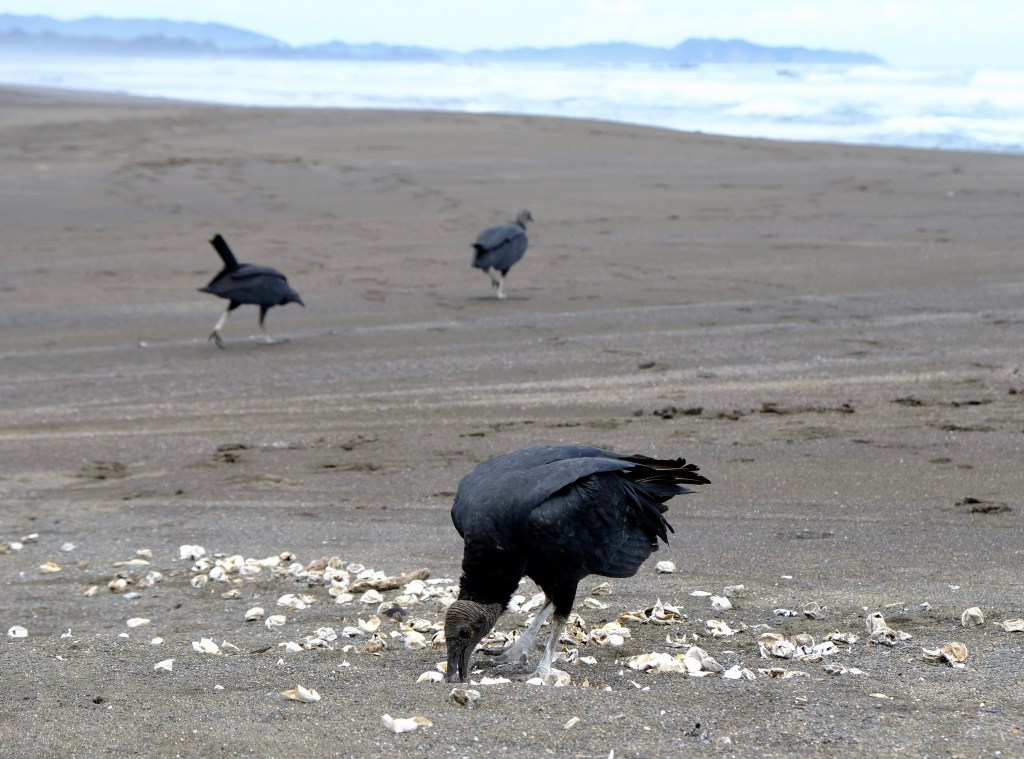
For the beach and dune ecosystem, because sand holds very little nutrients, not much vegetation grows on beaches and dunes. When sea turtles nest, not all eggs hatch and not all hatchlings will make it out of the nest. This provides a source of nutrients for vegetation to grow on beaches and dunes. Even the leftover eggshells from hatched eggs provide some nutrients. Roots of the dune vegetation help maintain the structure of the dune, thus protecting the sand from erosion. The consequences of sea turtle decline would mean fewer nests resulting in less nutrients and weaker or no vegetation on beaches and dunes. This would further result in a lack of structural support from the vegetation for beaches and dunes, thus being prone to erosion.
It is important to also remember that sea turtles, as well as all fauna and flora on Earth, must be protected because they have their space on Earth too. Earth is their home which they have every right to. We share this planet with them, and regardless of whether their presence benefits humans, we must respect them.
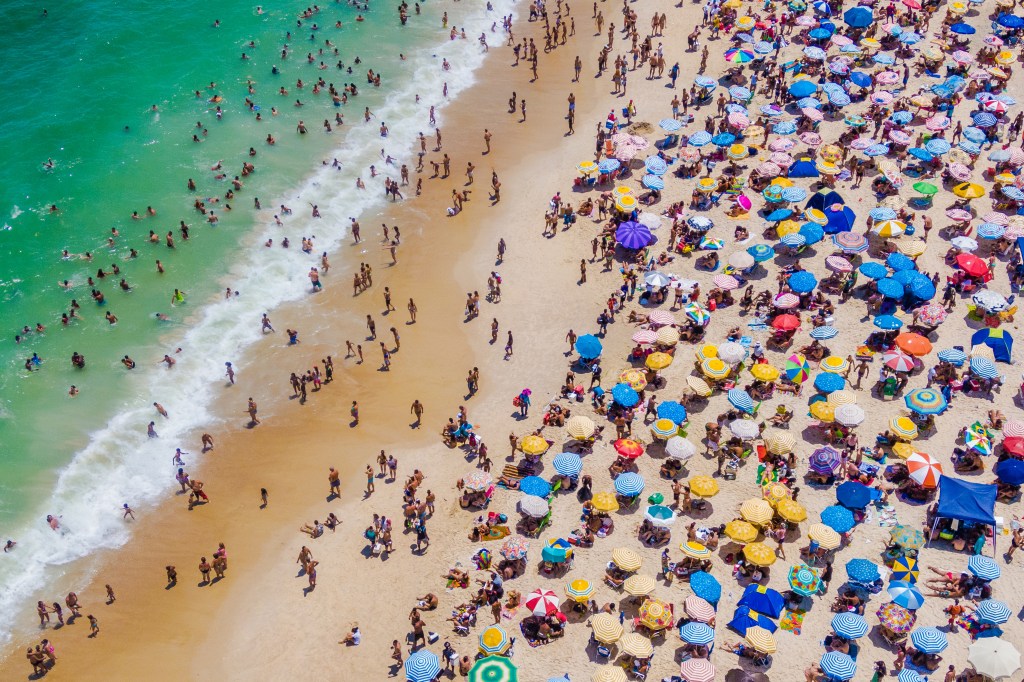
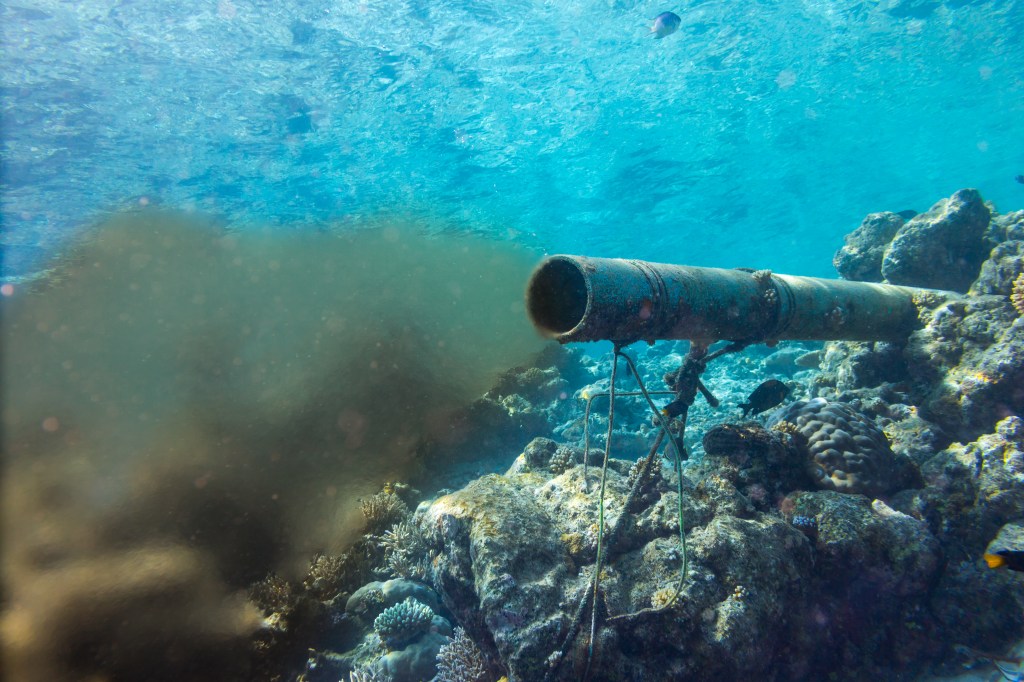
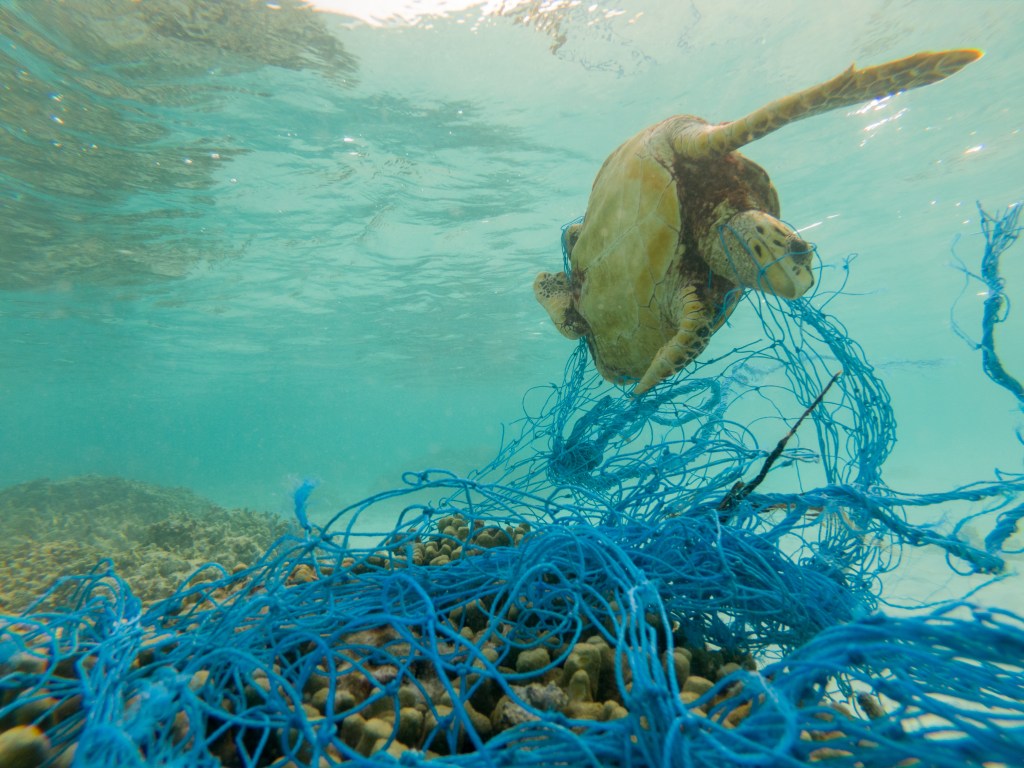
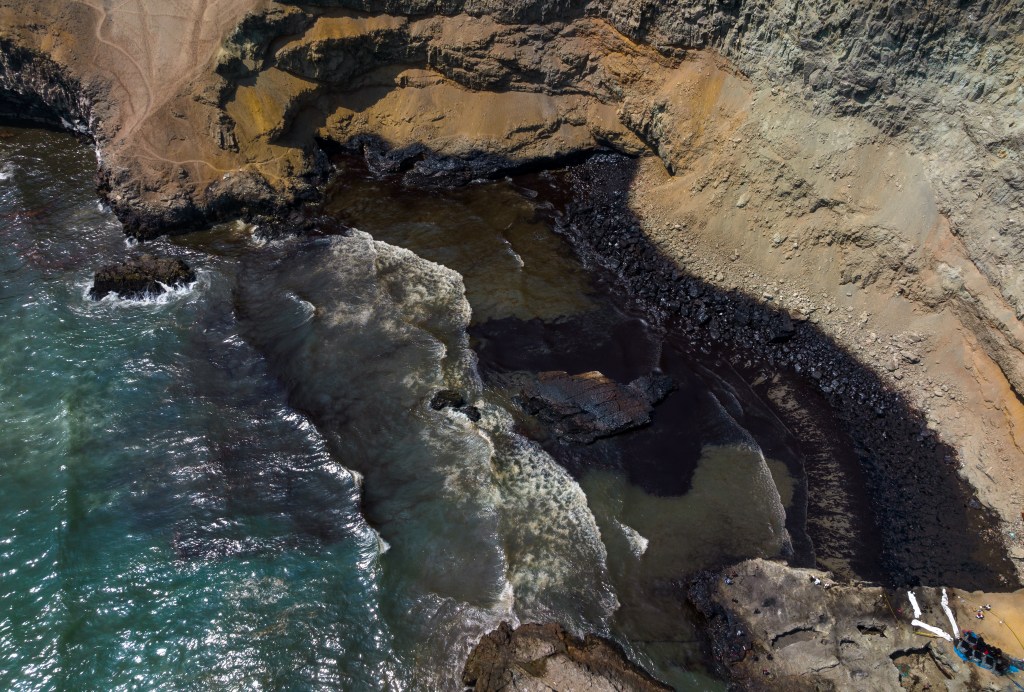
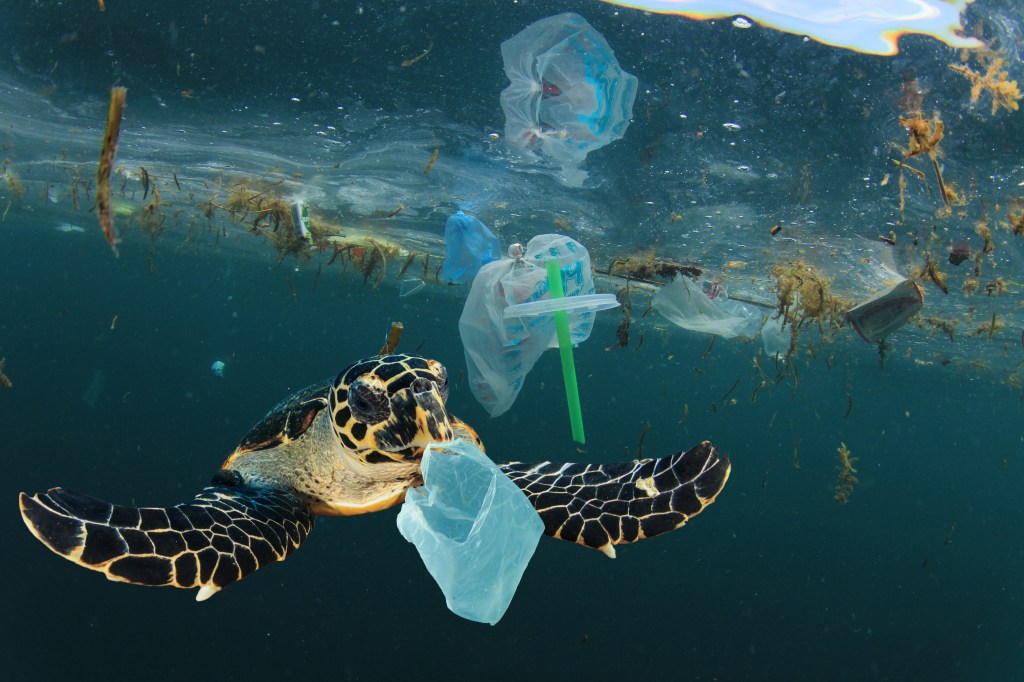
Click on the image links below to learn more about the types of human threats affecting sea turtles.





 Koru Honu