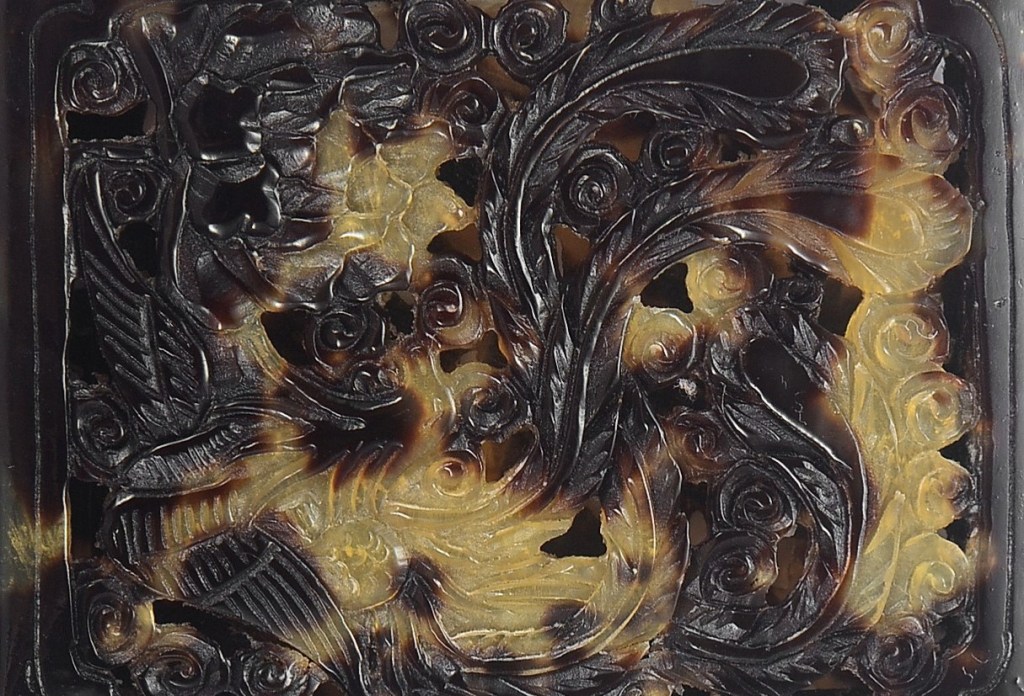
Sea turtles have long been hunted for their shells, meat, organs, skin, eggs and even blood. What was once a sustainable hunting practice by Indigenous peoples has turned into a destructive commerical enterprise. Under the Convention on International Trade in Endangered Species of Wild Fauna and Flora (CITES), it was established in 1981 that all international trade of sea turtle products would be banned. Buying, selling and importing sea turtle products is also prohibited by law in many countries, yet lack of enforcement means that this practice still continues illegally in many parts of the world.
Meat, Organs, Skin & Blood
Turtle meat is frequently sold for consumption on and off menus across the Grand Cayman Island and coastal communities in Central America, Asia, Africa and parts of the Mediterranean. Sea turtles are often targeted during the nesting season when females come ashore to nest at night. Hunters usually wait for the nesting female to deposit her eggs before killing her and taking the eggs. Internal organs, fats and bones are consumed in soups; blood is believed to be a cure for anaemia, tumours, AIDS, mental illnesses and haemorrhoids; skin (particularly from Olive Ridleys) is turned into leather; while meat is consumed either on a regular basis or during religious observances. For example, in Mexico it is estimated that around 5,000 Green Sea Turtles are killed for consumption during the week preceding Easter. Fatty tissues from turtles are also processed to make oils used to treat respiratory problems, as well as for lamps, boat varnishes, cosmetics and creams. Greens, Hawksbills and Leatherbacks are most targeted for oil, with a single Leatherback able to produce 40 litres of oil. The Green Sea Turtle is most commonly hunted for their meat but other species of sea turtles also face the same threat, including the Leatherback and Olive Ridley species. The World Health Organisation (WHO) has cautioned against the consumption of Hawksbill Sea Turtle meat as they feed predominantly on toxin-containing sponges, which if consumed, can result in neurotoxicity, kidney disease, liver cancer, developmental defects in unborn children, and even death.
The commercial consumption of sea turtle meat started in the 1600s when British colonists first arrived in Jamaica and Bermuda. Turtle meat was imported from the Cayman Islands, and turtles would be caught on long voyages between the Caribbean and Europe as they provided a fresh supply of meat due to their ability to withstand several weeks alive onboard without food or water. As a result, turtle meat and soup became a popular delicacy in Europe and new markets started to develop in Europe and Asia throughout the first half of the 20th Century, peaking between the 1950s to early 1970s.
In Madagascar, it is estimated that between 10,000 and 16,000 Green and Hawksbill Sea Turtles are being caught annually by Vezo turtle fishermen using modern methods. Widespread poaching at sea was also reported in the north in 2012. While in Indonesia, it is estimated that around 1,115 Green Sea Turtles were being poached every year in southeast Sulawesi alone. In 1999, it was reported that as high as 27,000 Green Sea Turtles were killed in Indonesia, however, the recent sharp decline in sea turtles has curbed consumption in places such as Bali which was once a hotspot for the consumption and trade of Green Sea Turtles.
Laws preventing the exploitation of sea turtles have been around as early as 1620 when settlers first began to notice a significant decline in Green Sea Turtle populations. However, these laws proved to be unenforceable, ultimately leading to their increased exploitation for all body parts and their current international endangered status. This has also resulted in the smaller size of Green Sea Turtles in existence. Historically, it was normal to find Green Sea Turtles weighing about 400 kilograms at the beginning of the 20th Century. Today, Green Sea Turtles weighing 130 kilograms would be considered abnormally large.
Olive Ridley Sea Turtles are considered easy targets for their meat due to their daytime mass synchronised nestings called arribadas. Antonio Suarez was infamously known for running a large number of plants that processed Olive Ridleys for international trade and is responsible for much of their decline. In 1978 alone, one of these plants processed over 50,000 Olive Ridleys, 90% of which had been collected during nesting. In 1980, Suarez was involved in a failed attempt to smuggle roughly 48,000 kilograms of Olive Ridley meat into the US, which was estimated to have come from 8,800 turtles. Despite his indictment for smuggling, Suarez still owned and operated three slaughterhouses as late as 1990.
The Cayman Turtle Farm
The Grand Cayman Island is home to the Cayman Turtle Farm, the only sea turtle farm in the world, and is the most visited tourist attraction in the country, annually receiving hundreds of thousands of visitors who come to hold and have their picture taken with a farmed turtle. The government-owned tourist facility houses a single Hawksbill Sea Turtle, around 18 Kemp’s Ridley Sea Turtles, and more than 9,500 Green Sea Turtles. A report from the State of the World’s Sea Turtle’s (SWOT) documents the farm’s practices and concerns around it. The farm has been marketed as a sea turtle rehabilitation, research and conservation centre, and was engaged in a “head-start” program, where farmed Green Sea Turtles were maintained in captivity until they were 9 to 12 months old before being released into the wild. The farm owners and many restauranteurs that sell turtle meat argue that the sale of farmed turtle meat prevents the poaching of wild sea turtles. However, conservation advocates argue that any increase in the availability of turtle meat on the market will only stimulate demand. Furthermore, poaching will likely carry on regardless, because of the high price of farmed turtle meat in the Cayman Islands. Ultimately, regulating the number of sea turtles killed for consumption does not justify the cruelty involved in cramming these highly migratory and solitary creatures into a tank for many years, and raising turtles to ultimately be killed against their will. In addition, the cramming of sea turtles in such tight spaces (about 0.08 m2 per turtle) has resulted in genetic pollution, spread of diseases, injury, emaciation, and even cannibalism. Concerns about the risks of introducing diseases and parasites into wild populations contributed to a decision to put the head-start program on hold in 2013.
The cost of running the Cayman Turtle Farm has proven to be extortionate. Between 2007 and 2011, the farm received a yearly average of CI$9 million (US$11 million) in subsidies. One would think that this money could be better spent on alternative conservation efforts that are aimed at protecting wild populations and educating the public on the importance of sea turtle conservation.
Kélonia, the Observatory of Marine Turtles in Réunion Island, has proven that it is possible to successfully transition away from being a commercial farm to becoming a rehabilitation and release facility for sick and injured sea turtles, as well as a popular tourist destination. This transition has resulted in an increase in wild sea turtle populations.
Shell
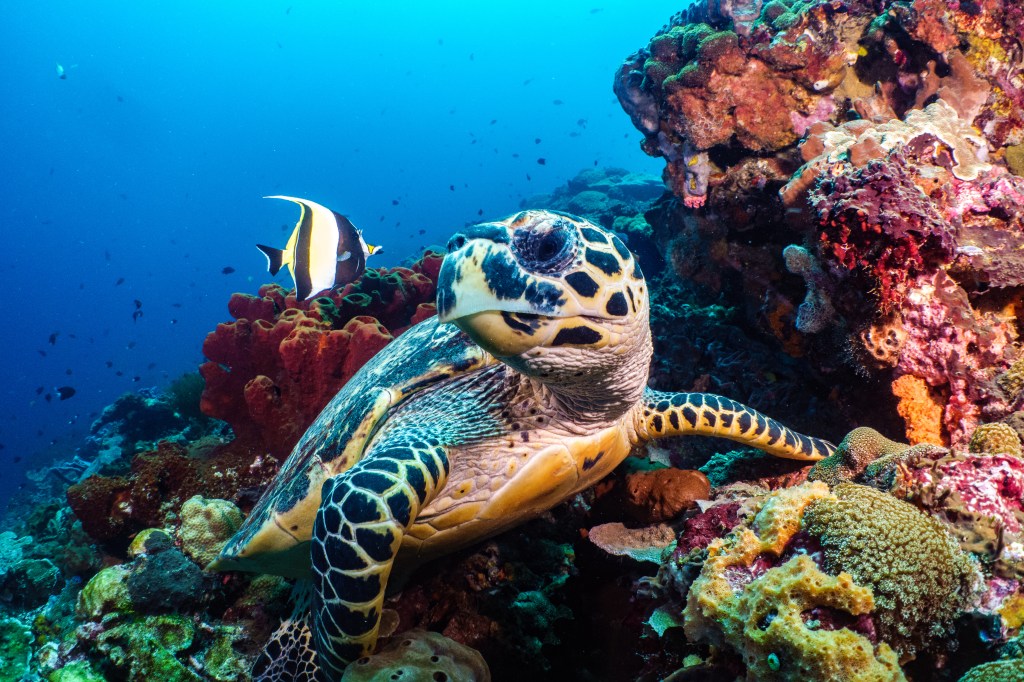
Turtle shells have long been sought after to make jewellery, ornaments, the plectra for playing the Guzheng (traditional Chinese musical instrument), and other luxury items. This trade most frequently impacts Hawksbill Sea Turtles, known for their beautifully patterned, vibrant gold and brown shells. Hawksbills first started being hunted in Japan in the 1600s when Tokugawa Ieyasu, the ruler of Japan, acquired a pair of eyeglasses made from the carapace of a Hawksbill, known as bekko in Japanese. Japan quickly became reputed as having the finest bekko artisans in the world. Soon the trade spread to China, Europe and the Americas and by the mid-1800s, the trade was soaring while Hawksbill populations were plummeting. Between 1844 and 1992, more than nine million Hawksbills were estimated to have been killed, and in the last 100 years alone Hawksbills have declined by 90% leaving fewer than 25,000 turtles left. They are especially threatened in the Indian and Pacific Oceans and along the Caribbean coast where illegal trade is prominent.
In an effort to protect these turtles, the international agreement, CITES, was signed in 1977 by 173 countries to declare the cross-border trade of turtle shells illegal. Japan signed onto CITES in 1980 but took a formal reservation that it will not be bound by Hawksbill Sea Turtle trade regulations so that its thriving bekko industry can continue. This meant that the country could continue to import Hawksbills and remain in good standing with CITES. However, in 1994 international pressure finally forced Japan to withdraw its reservation. As a result, Hawksbill imports immediately spiked as Japan stockpiled in preparation for the end of the legal trade, though the stockpile should now be exhausted. However, the domestic trade of Hawksbills continues legally in Japan, Grenada, Palau and Tonga. Turtle shells legally used in products sold in Japan were either acquired prior to 1994 or killed in Japanese waters. Today, bekko combs are still used as part of traditional Japanese wedding dresses.
The illegal trade of Hawksbill shells also continues under the black market and every year more than a tonne of Hawksbill products are confiscated in Japanese airports. Coincidentally, in recent decades, the Hawksbill population of the Coral Triangle in and around Indonesia has seen a 90% decline. It is believed that this demand for bekko was a significant contributor to the decline in Hawksbill turtles over the last century. In addition to bekko, whole taxidermied specimens are also sought after.
Since Japan’s withdrawal of the CITES reservation in 1994, the Japanese Bekko Association (JBA), a government-sponsored organisation, was formed to support bekko manufacturers in the post-ban era, initially to research alternative materials to turtle shells for artisans to use, such as synthetic materials. However, their intention soon shifted as the JBA began sending lobbyists to international conferences with the goal to reduce Hawksbill protection under CITES and reopening the trade with Cuba. This was unsuccessfully attempted in 1997, 1999 and 2002. The JBA has also considered Hawksbill turtle farming to acquire turtle shell legally, however, similar to that of the Cayman Turtle Farm, this practice is exceptionally cruel, likely to involve the cramming of these highly migratory and solitary creatures into a tank for many years, and raising turtles to ultimately be killed against their will.
Eggs
In some countries, particularly in Southeast Asia, the Indian Ocean and throughout the Caribbean, sea turtle eggs are served as a delicacy and viewed as an aphrodisiac used to promote fertility. However, research has shown that sea turtles eggs, in fact, contain high levels of pollutants, bacteria and parasites, which may actually lower fertility. Sea turtles eggs are easy targets from the moment females come ashore to nest. While poaching affects all species of sea turtles, Kemp’s Ridleys are particularly vulnerable to egg poaching because their nests are shallow and poorly disguised.
The egg smuggling trade is a serious issue in Southeast Asia. Kalimantan, Indonesia is a regional hotspot for egg collection, with significant amounts being exported to the Malaysian provinces of Sabah and Sarawak, where eggs are reportedly sold openly without controls. One study found that approximately 100,000 sea turtle eggs are traded monthly in this region, a market worth approximately US$35,000 each month. This trade is detrimental to the survival of sea turtle populations as naturally sea turtles have a relatively low hatching and survival rate.
In addition, oil has historically been extracted from turtle eggs for use in cosmetics. This became popularised in the Western world in the 1930s when it was marketed in creams to fight the signs of aging. Turtle oil was included in many products, including Estée Lauder’s ‘Re-Nutriv Crème’, which sold for US$115 a jar, up until the 1970s when social pressure and new conservation laws pushed cosmetic companies to either discontinue the product or rebrand it to not include the oil.
Summary
- Sea turtles are hunted for their shells, meat, organs, skin, eggs and even blood, and this cruel practice is one of many threats driving turtles to their extinction.
- Under the Convention on International Trade in Endangered Species of Wild Fauna and Flora (CITES), it was established in 1981 that all international trade in sea turtle products would be banned.
- Buying, selling and importing sea turtle products is also prohibited by law in many countries, yet this practice still continues illegally.
- Turtle meat is frequently sold for consumption on and off menus across the Grand Cayman Island and coastal communities in Central America, Asia, Africa and parts of the Mediterranean.
- Sea turtles are often targeted for their meat during the nesting season when females come ashore to nest at night. Hunters usually wait for the nesting female to deposit her eggs before killing her and taking the eggs.
- Meat is consumed either on a regular basis or during religious observances.
- Internal organs, fats and bones are consumed in soups.
- Blood is believed to be a cure for anaemia, tumours, AIDS, mental illnesses and haemorrhoids.
- Skin (particularly from Olive Ridleys) is turned into leather.
- Fatty tissues from turtles are processed to make oils used to treat respiratory problems, as well as for lamps, boat varnishes, cosmetics and creams.
- Greens, Hawksbills and Leatherbacks are most targeted for oil, with a single Leatherback able to produce 40 litres of oil.
- The Green Sea Turtle is most commonly hunted for their meat.
- In Mexico it is estimated that around 5,000 Green Sea Turtles are killed for consumption during the week preceding Easter.
- Olive Ridley Sea Turtles are considered easy targets for their meat due to their daytime mass synchronised nestings called arribadas.
- Consumption of Hawksbill Sea Turtle meat can result in neurotoxicity, kidney disease, liver cancer, developmental defects in unborn children, and even death, as they feed predominantly on toxin-containing sponges.
- In Madagascar, it is estimated that between 10,000 and 16,000 Green and Hawksbill Sea Turtles are being caught annually.
- In Indonesia, it is estimated that around 1,115 Green Sea Turtles were being poached every year in southeast Sulawesi alone.
- In 1999, it was reported that as high as 27,000 Green Sea Turtles were killed in Indonesia, however, the recent sharp decline in sea turtles has curbed consumption in places such as Bali which was once a hotspot for the consumption and trade of Green Sea Turtles.
- The Grand Cayman Island is home to the Cayman Turtle Farm, the only sea turtle farm in the world. The cramming of highly migratory and solitary sea turtles in such tight spaces (about 0.08 m2 per turtle) has resulted in genetic pollution, spread of diseases, injury, emaciation, and even cannibalism.
- Hawksbill Sea Turtles, known for their beautifully patterned, vibrant gold and brown shells, have long been sought after to make jewellery, ornaments and other luxury items.
- Hawksbills first started being hunted in Japan in the 1600s, and Japan quickly became reputed as having the finest bekko artisans in the world. Soon the trade spread to China, Europe and the Americas.
- Between 1844 and 1992, more than nine million Hawksbills were estimated to have been killed, and in the last 100 years alone Hawksbills have declined by 90% leaving fewer than 25,000 turtles left.
- CITES was signed in 1977 by 173 countries to declare the cross-border trade of turtle shells illegal. Japan signed onto CITES in 1980 but took a formal reservation that it will not be bound by Hawksbill Sea Turtle trade regulations. However, in 1994 international pressure finally forced Japan to withdraw its reservation. As a result, Hawksbill imports immediately spiked as Japan stockpiled in preparation for the end of the legal trade, though the stockpile should now be exhausted.
- The domestic trade of Hawksbills continues legally in Japan, Grenada, Palau and Tonga. Turtle shells legally used in products sold in Japan were either acquired prior to 1994 or were killed in Japanese waters.
- In some countries, particularly in Southeast Asia, the Indian Ocean and throughout the Caribbean, sea turtle eggs are served as a delicacy and viewed as an aphrodisiac used to promote fertility.
- However, research has shown that sea turtles eggs contain high levels of pollutants, bacteria and parasites, which may actually lower fertility.
- Poaching affects all species of sea turtles, but Kemp’s Ridleys are particularly vulnerable to egg poaching because their nests are shallow and poorly disguised.
- Oil has also historically been extracted from turtle eggs for use in cosmetics.
Solution
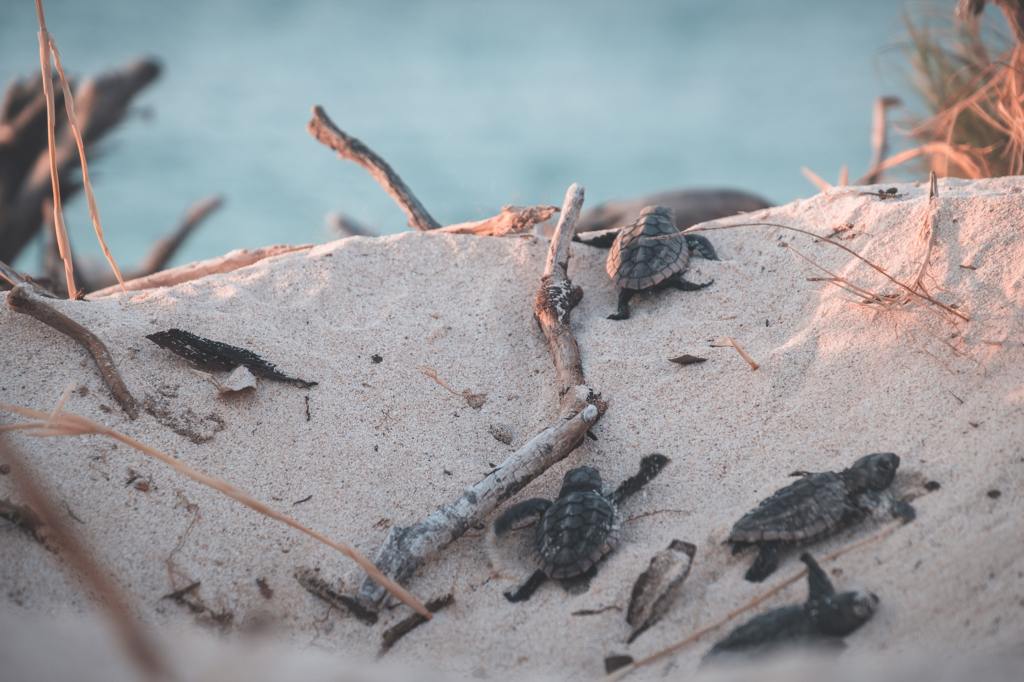
Drivers of the exploitation of sea turtles fall into two main categories: socio-economic (e.g. poverty relief and demand for luxury goods) and cultural (e.g. long-standing beliefs, religions and traditions).
Education is vital to raise awareness about the impacts the meat, shell and egg trades have on sea turtles, particularly in regions where exploitation is prominent. It is also essential to emphasise the importance of having compassion and empathy for other creatures we share this planet with, who also have the right to live and thrive – two traits that are unfortunately lacking in today’s society. With more of the general public aware, conservation and protection laws become more easily enforceable, and recommendations implemented. People typically are more willing to take action when they understand the cause. Tortuguero, Costa Rica is home to the largest Green Sea Turtle nesting site in the Western Hemisphere. In this remote area, villagers were first educated about the importance of conserving these species and the threats that consumption and exploitation pose to sea turtle survival. In addition, conservationists settled in the area to conduct ongoing research of the Green Sea Turtle population. As a result, villagers began to realise that changing their economy from one of consumption to conservation is possible through eco-tourism, and benefits sea turtles, the environment and their own community. Today, Tortuguero is a model for other small communities and boasts a 400% increase in nesting Green Sea Turtles.
Furthermore, existing tourism practices in a region that don’t implement environmentally friendly practices should transition to eco-tourism. Not only does this educate the locals and tourists on the importance of conserving and protecting sea turtles and the natural environment, it also creates more job opportunities for locals in the environmental sector allowing locals to transition away from jobs that hurt sea turtles and the rest of the environment. The demand for jobs is also highly dependent on human population. Over time as human population eventually declines, so will the demand for jobs and it will be easier for people to attain more environmentally friendly jobs, especially when societies centre around caring for the planet.
Increasing patrol on nesting beaches to protect eggs is essential. In areas of high risk, eggs can be relocated to hatcheries to prevent them from being taken by poachers.
To tackle poaching of sea turtle eggs, conservation scientist Kim Williams-Guillén and conservation group Paso Pacífico invented and developed 3D-printed GPS-enabled decoy turtle eggs, known as the InvestEGGator, which are hidden in sea turtle nests and tracked. This tracking technology is used to tackle traffickers, and can be adapted for other species where poaching is a problem.
Countries with major tourism to regions where sea turtle consumption and exploitation is high should increase their public outreach by providing information on the legal status of sea turtles, the threats that consumption poses to sea turtle survival, existing trade regulations, as well as ramping up inspection efforts of airline baggages from those destinations to act as a deterrent.
Protection of sea turtles must be uniform globally as these are highly migratory creatures and migrate through waters that may or may not be protected. For example, many Hawksbill Sea Turtles spend their lives in the protected waters of eastern Australia, migrating to the unprotected waters of the Solomon Islands only to nest, putting them in grave danger when they leave the protected boundaries of Australian waters.
In addition to establishing strong protection measures worldwide, regulations need to be enforced and monitored, including monitoring the number of turtles caught for trade, their species, population and size; when, where and how the turtles were caught; locations where trade is occurring; and where the problem is the biggest.
Finally, tighter international and regional anti-trade agreements need to be enforced globally. Collaboration between conservation groups, research institutes and government agencies needs to be supported and expanded to strengthen and effectively enforce international and regional anti-trade agreements, including tackling the black market trade.
Summary
- Drivers of the exploitation of sea turtles fall into two main categories: socio-economic and cultural.
- Educate the public about the impacts the meat, shell and egg trades have on sea turtles, particularly in regions where exploitation is prominent, to raise awareness and create a more assertive public.
- It is also essential to emphasise the importance of having compassion and empathy for other creatures we share this planet with, who also have the right to live and thrive.
- Transitioning to eco-tourism creates more job opportunities for locals in the environmental sector allowing locals to transition away from jobs that hurt sea turtles and the rest of the environment.
- Over time as human population eventually declines, so will the demand for jobs and it will be easier for people to attain more environmentally friendly jobs, especially when societies centre around caring for the planet.
- Increasing patrol on nesting beaches to protect eggs is essential. In areas of high risk, eggs can be relocated to hatcheries to prevent them from being taken by poachers.
- Planting GPS-enabled decoy turtle eggs, known as the InvestEGGator, in sea turtle nests can help track and tackle traffickers.
- Countries with major tourism to regions where sea turtle consumption and exploitation is high should increase their public outreach by providing information on the protection of sea turtles, existing trade regulations, as well as ramping up inspection efforts of airline baggages from those destinations to act as a deterrent.
- Protection of sea turtles must be uniform globally as these are highly migratory creatures and migrate through waters with intermittent protection statuses.
- Regulations need to be enforced and monitored.
- Collaboration between conservation groups, research institutes and government agencies needs to be supported and expanded to strengthen and enforce international and regional anti-trade agreements, including tackling the black market trade.
References
Defenders of Wildlife: Sea Turtle Products are in High Demand in the Illegal Wildlife Trade
EuroTurtle: Exploitation
Green Balkans: The Threats to Sea Turtles and Tortoises – Illicit Trade
Jani, J. M., Jamalludin, M. A. & Long, S. L. Reviewing an Ongoing Dilemma on Sea Turtle Egg Trade in Terangganu, Malaysia. Frontiers in Marine Science 6(762) (2020).
Mancini, A. & Koch, V. Sea Turtle Consumption and Black Market Trade in Baja California Sur, Mexico. Endangered Speies Research 7, 1-10 (2016).
MEDASSET: New Report Reveals that the Illegal Sea Turtle Trade in Alexandria Continues
Nahill, B., von Weller, P. & Barrios-Garrido, H. The Global Tortoiseshell Trade, April 2020. (See Turtles, 2020).
National Geographic: Trade in Sea Turtle Products is Banned, but They’re Still Sold in Japan
Olive Ridley Project: Why are Hawksbill Turtles Critically Endangered?
Olive Ridley Project: Why are Sea Turtles Poached?
People Not Poaching: Saving Sea Turtles
Plastic Oceans: Food, Crafts, and Cosmetics – Humans and the Sea Turtle
Quiñones, J., Quispe, S. & Galindo, O. Illegal Capture and Black Market Trade of Sea Turtles in Pisco, Peru: The Never-Ending Story. Latin American Journal of Aquatic Research 45(3), 615-621 (2017).
Reuter, A. & Allan, C. Tourists, Turtles and Trinkets: A Look at the Trade in Marine Turtle Products in the Dominican Republic and Colombia. (TRAFFIC, 2006).
Sea Turtle Conservancy: Threats from Harvest for Consumption
Sea Turtle Conservancy: Threats from Illegal Shell Trade
Senko, J. F., Burgher, K., del Mar Mancha-Cisneros M. et al. Global Patterns of Illegal Marine Turtle Exploitation. Global Change Biology 28(22), 6509-6523 (2022).
SWOT: Sea Turtle Farming – Past, Present and Future?
SWOT: Sea Turtles and CITES
The Nature Conservancy: Investigating the Illegal Sea Turtle Trade
TRAFFIC: A Rapid Assessment on the Trade in Marine Turtles in Indonesia, Malaysia and Vietnam
van Dijk, P. P. & Shepherd, C. R. Shelled out? A Snapshot of Bekko Trade in Selected Locations in Southeast Asia. (TRAFFIC Southeast Asia, 2004).
Wider Caribbean Sea Turtle Conservation Network (WIDECAST): International Trade
WildAid: Sea Turtles – An Uncertain Future
WWF: Illegal Take and Trade of Marine Turtles in the Indian Ocean Region
WWF: Fighting the Marine Turtle Trade in Malaysia
 Koru Honu