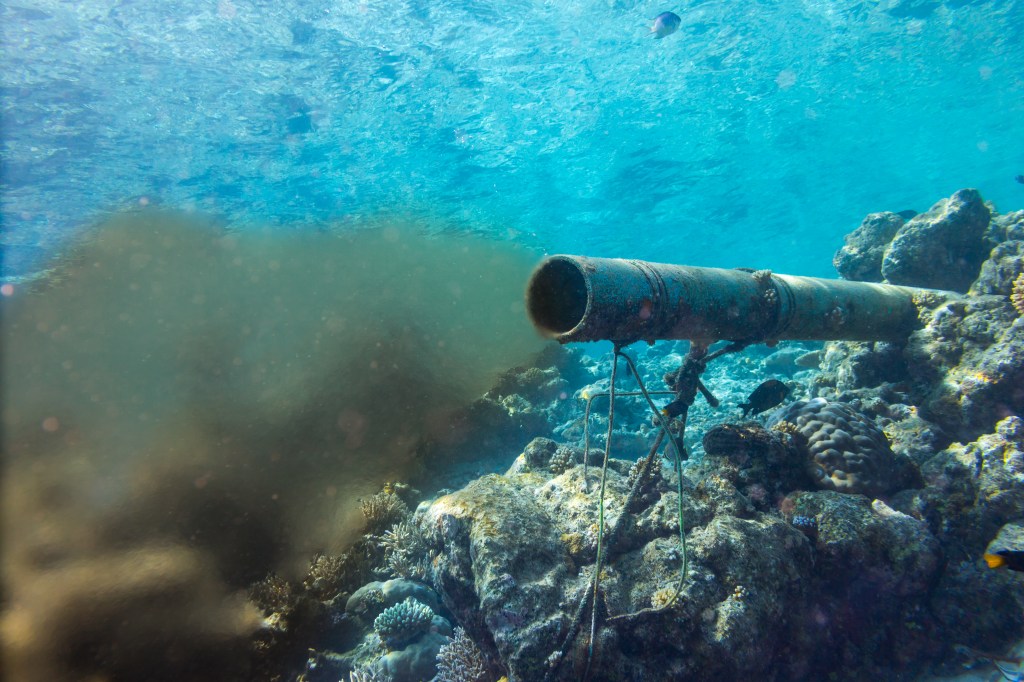
Thousands of chemicals contaminate the marine environment, many of which accumulate in the tissues of sea turtles either through direct exposure or indirectly through the food they eat, affecting their locomotion, brain functioning, respiratory system, endocrine function, digestive tract, organs and reproductive success. The effect of maritime pollution can also lead to immunosuppression and result in disease or death. In addition, chronically ill turtles are more vulnerable to predation and collisions with boats. While the effects of chemical pollution on sea turtles have not been studied as extensively as other marine animals, scientists are discovering that sea turtles are highly contaminated with industrial chemicals and pesticides. Sea turtles from the Great Barrier Reef were found to have more than 4,000 different chemical compounds in their blood. While there are more than 40,000 chemicals of concern in the waters of the Great Barrier Reef, only 40 are monitored for water quality – mostly coming from agriculture. And because sea turtles have long lifespans, the chemicals can build up in their tissues over time potentially reaching very high levels.
Chemical pollutants come from wastewater discharge from cruiseliners, untreated sewage waste, antibiotics and heart and kidney medication through sewerage, heavy metals (including mercury) from paints and adhesives, polychlorinated biphenyls (PCBs), perfluorochemicals (PFCs), flame retardants, petroleum products, boat diesel, and agricultural and industrial run-offs including fertilisers, nutrients and chemicals from farms through rivers. (For information on the threats of oil spills on sea turtles, see Oil Spills.)
Despite PCBs in production being banned in the US since 1979, they are still found in the environment and in materials produced prior to the ban. Organisms that ingest these chemicals may suffer from depressed immune systems and impaired reproduction. Researchers have found that PCBs and flame retardants correlate with smaller sea turtle eggs (similar to that of birds) and exposed hatchlings have been recorded to have birth abnormalities and defects. If this is a cause and effect relationship, smaller eggs could lead to smaller hatchlings and consequently reduced fitness.
Scientists found perfluorooctane sulfonate (PFOS) to be the most dominant PFC in sea turtles, despite being phased out in 2001. The crab-eating Kemp’s Ridleys had the highest levels of PFOS in their systems while the grass-eating Greens had the lowest amount indicating concentrations are determined by their diet. Studies have shown that PFOS in the blood causes thyroid and neurological disruptions and immunosuppression in mammals, and research indicates that reptilians respond to PFOS in similar ways. However, further research is required to better understand the response of sea turtles with PFOS in tissue.
Scientists also believe that there may be a link between exposure to agricultural pollutants and the spread and prevalence of fibropapillomatosis, a disease in sea turtles that causes tumours to grow on the eyes, intestinal tracts, lungs, mouth, heart and other organs. However, research is still being undertaken to determine the exact cause and transmission of this disease. External fibropapillomatosis can create drag and slow sea turtles down making them more vulnerable to predation and collisions with boats. Tumours around the eyes can obscure vision and eventually cause blindness, and tumours around the mouth can impair breathing and feeding. Fibropapillomatosis was first observed in Green sea turtles in the Florida Keys in the 1930s and then in Hawaii in the late 1950s. Nowadays, fibropapillomatosis occurs worldwide and affects all species of sea turtles. In Florida’s Indian River, over 50% of Green sea turtles have fibropapillomatosis.
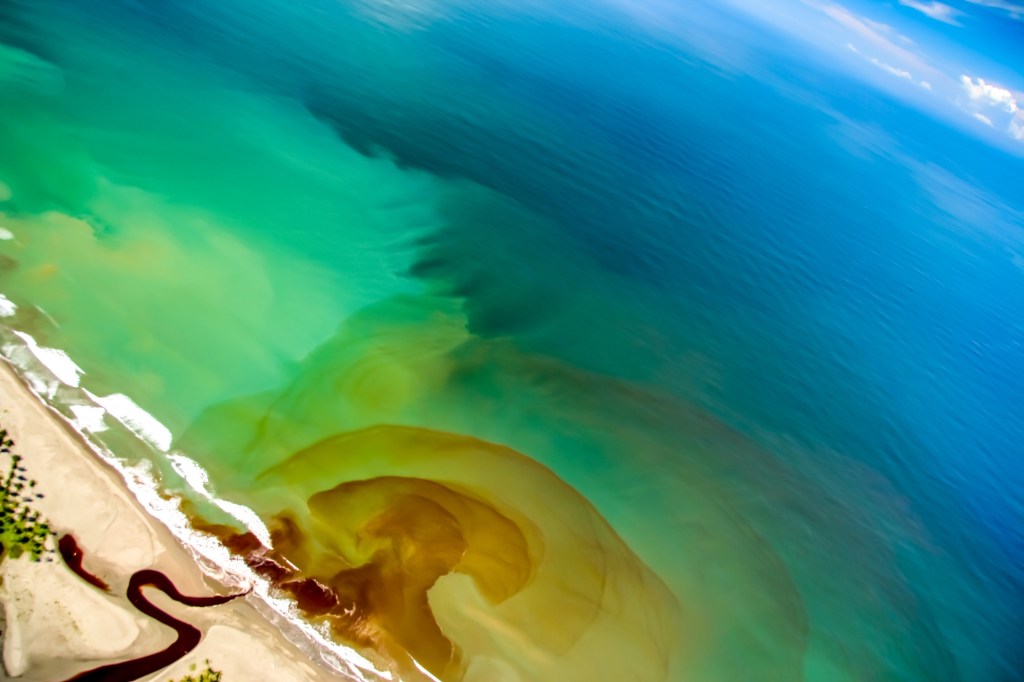
The effects of improper sewage disposal and fertilisers from agricultural run-off causes eutrophication, which is the explosion of algae blooms as a result of excess nutrients in the water and can deplete the water’s oxygen and suffocate marine life. Eutrophication has created enormous dead zones in many parts of the world, including the Gulf of Mexico.
While rainwater is naturally slightly acidic due to its reaction with carbon monoxide and dioxide to form a weak carbonic acid, acid rain refers to any precipitation (dry or wet) that has a pH of less than what is typical (pH 5.6). The pH scale ranges from 0 to 14, with 7 being neutral. A pH below 7 is acidic and a pH greater than 7 is alkaline (or basic). The pH scale is logarithmic, meaning that an increase or decrease of an integer value changes the concentration by a tenfold. For example, a pH of 3 is ten times more acidic than a pH of 4. Likewise, a pH of 3 is one hundred times more acidic than a pH of 5. Acid rain is caused by the release of sulfur dioxide and nitrogen oxides into the atmosphere, where they react with water, oxygen and other chemicals to become sulfuric and nitric acid, respectively. This is then precipitated onto land and waterways. Acid rain can be caused naturally through chemicals released from volcanic eruptions and decomposing vegetation. More commonly and devastatingly, acid rain is caused by anthropogenic emissions, such as burning fossil fuels, manufacturing, oil refineries, electricity generation and vehicles. This can then be distributed around the world through jet streams and wind. Acid rain can leach copper, aluminium, mercury and other heavy metals out of the soil and into the ocean, which can cause eutrophication, deformities, internal injuries, and threaten ecosystems. Excessive nitrogen inputs (from anthropogenic sources such as fossil fuel combustion and agricultural uses, but also leached when forests have reached their nitrogen limit and are unable to absorb anymore from acid rain) can also lead to eutrophication. In addition, acid rain can increase the acidity of the ocean, particularly in coastal areas. Ocean acidification caused by climate change can also have a negative impact on food availability and carbon absorption (see Climate Change).
Scientists have discovered that some chemicals found in sunscreens and other personal health products can cause bleaching in coral reefs, an important food source and habitat for many marine creatures including sea turtles, particularly Hawksbills. Corals are usually covered in zooxanthellae. These tiny creatures absorb light and use photosynthesis to create food for the coral. When corals become stressed due to increased water temperatures or pollution from chemicals found in sunscreens, they can stimulate dormant viral infections in the zooxanthellae. Sunscreen chemicals cause viruses within the zooxanthellae to replicate until their algal hosts exploded, spilling viruses into the surrounding seawater, which could potentially spread infection to nearby coral communities. Without the zooxanthellae, they lose their main food and oxygen source and the wide array of colours that make corals so attractive, exposing the protective skeletons of the corals. Bleached corals are more vulnerable to disease. Their growth is stunted and the damage will negatively impact the surrounding marine life. Although it is possible for some to recover, most bleached corals will starve to death.
Chemicals found in sunscreens can further cause deformities in both coral larvae and baby corals, damage coral DNA and cause abnormal skeletal growth. These chemicals also impair growth and photosynthesis in green algae (a food sources for Green Sea Turtles), induce defects in young mussels, damage immune and reproductive systems and deform young sea urchins, decrease fertility and reproduction in female fish and cause female characteristics in male fish, and accumulate in tissues creating lumps that can be transferred to young dolphins. It is estimated that roughly 14,000 tons of sunscreen enter waterways across the globe every year from both sunscreen applications and wastewater run-off. Researchers estimate that approximately 10% of the world’s coral reefs are potentially threatened by sunscreen that washes off swimmers in reef waters. As tourism increases in tropical reef areas, the impact of sunscreens on coral bleaching could rise significantly in the future. Chemicals in sunscreens that can harm marine life include:
- Oxybenzone
- Benzophenone-1
- Benzophenone-8
- OD-PABA
- 4-Methylbenzylidene Camphor
- 3-Benzylidene Camphor
- Nano-Titanium Dioxide
- Nano-Zinc Oxide
- Octinoxate
- Octocrylene
When activated by light, oxybenzone can turn into a deadly toxin to sea anemones. While algae can soak up the toxin, thus reducing the damage, unfortunately some anemones lack algae resulting in them unable to recover. While mineral suncreen is reef-friendly alternative to chemical sunscreens, they sometimes contain nano-particles which are so small that they can be absorbed by marine life. These minerals are toxic to many ocean species and can cause stress and ultimately death, even at low concentrations.
Degradation of sea turtle habitats from pollution also poses a threat and can occur over large areas. This can result in the reduction in food availability and lead to starvation. Furthermore, chemical pollution that is passed through the food chain is more concentrated with higher levels of toxins and therefore more toxic than the surrounding water.
Summary
- Chemical pollutants come from wastewater discharge from cruiseliners, untreated sewage waste, antibiotics and heart and kidney medication through sewerage, heavy metals (including mercury) from paints and adhesives, polychlorinated biphenyls (PCBs), perfluorochemicals (PFCs), flame retardants, petroleum products, boat diesel, and agricultural and industrial run-offs.
- Chemical contaminants accumulate in the tissues of sea turtles either through direct exposure or indirectly through the food they eat, affecting their locomotion, brain functioning, respiratory system, endocrine function, digestive tract, organs and reproductive success, and can lead to immunosuppresssion.
- Sea turtles whose health have been compromised are also more vulnerable to predation and vessel collision.
- PCBs and flame retardants correlate with smaller sea turtle eggs and exposed hatchlings have been recorded to have birth abnormalities and defects.
- Perfluorooctane sulfonate (PFOS) is the most dominant PFC in sea turtles, and studies have shown that PFOS in the blood causes thyroid and neurological disruptions and immunosuppression in mammals and reptiles.
- PCBs in production was banned in the US in 1979, and PFOS was phased out in 2001, yet they are still found in the environment and in materials produced prior to the bans.
- Fibropapillomatosis is a disease in sea turtles that causes tumours to grow on the eyes, intestinal tracts, lungs, mouth, heart and other organs, likely linked to agricultural pollutants.
- Fibropapillomatosis can create drag in sea turtles making them more vulnerable to predation and collisions with boats. Tumours around the eyes can obscure vision and eventually cause blindness, and tumours around the mouth can impair breathing and feeding.
- Improper sewage disposal and agricultural run-off causes eutrophication, which causes the explosion of algae blooms that depletes the water’s oxygen and suffocates marine life, consequently creating numerous dead zones in many parts of the world.
- Acid rain can leach copper, aluminium, mercury and other heavy metals out of the soil and into the ocean, which can cause eutrophication, deformities and internal injuries.
- Ocean acidification caused by climate change can also have a negative impact on food availability and carbon absorption (see Climate Change).
- Some chemicals found in sunscreens and other personal health products can cause bleaching in coral reefs and harm other marine creatures, including oxybenzone, octinoxate and octocrylene.
- Chemical pollution can lead to the reduction in food availability and lead to starvation.
- Contaminants passed through the food chain are more concentrated with higher levels of toxins and therefore more toxic than the surrounding water.
Solution
Where there is demand, there is supply. Ways the public can get involved in reducing chemical pollution is by buying organically and locally produced foods and products; and using more public transportation (where demand for public transportation increases, so does frequency and quality) and active forms of travel such as cycling, walking and running.
A reduction of the number of vessels in the water at any one time is also vital to reduce the amount of chemical pollutants in the water. This can be implemented through zoning, with each zone defined by a maximum number of vessels and speed limits (see Vessel Collisions). Vessel and speed limits per zone should be based on the number of occurrences of sea turtles and other marine animals, and may vary according to nesting season. It is also important to allocate certain zones as vessel-free zones, particularly in areas with an abundance of wildlife. Whereby boats and other fuel-consuming vehicles have to be utilised, electric forms of transport (with charging stations sourced from renewable forms of energy) should be used instead.
Local and international authorities need to strictly ensure that local codes enforcing fertiliser bans near waterways are followed, and that untreated waste water isn’t introduced or dumped into natural waterways.
Leading a healthy lifestyle helps us reduce our intake of medication, which reduces the presence of medicinal chemicals in sewerage that may get released into natural waterways. This involves eating a healthy diet, drinking plenty of water to stay hydrated, regular exercise, not smoking, spending time outside and with good company, and consciously monitoring our emotional and mental stress levels.
While a large number of chemicals have now been banned, harmful chemicals that are still permitted need to be prohibited should they be toxic to the environment, wildlife or humans. Currently, these lists are regional. However, since water has no boundaries and moves with the currents, an international list needs to be established and applied to all regions globally.
The creation of eco-friendly and sustainable jobs will help swiftly shift to a more circular and cleaner economy where the bi-product of waste and pollutants have ceased, including a shift to more organic farming.
A clean-up of all algal blooms as a result of eutrophication is required to ensure water oxygen levels are balanced for marine plants and animals to survive and thrive.
Avoid using sunscreen that contain harmful chemicals. Unfortunately the term “reef-friendly” is not regulated, so you can’t always trust products with this description. Look for brands that contain zinc oxide and titanium oxide. These use biodegradable mineral (physical) UVA and UVB filters that physically shields the skins from absorbing rays, whereas chemical filters absorb UV and turn it into heat that’s released from skin. Be sure to use micro-sized (or non-nano) mineral sunscreens as these are less likely to be absorbed by marine life. It’s also advised to stick with lotions and avoid spray or misting sunscreens, especially those that contain titanium dioxide as it can be harmful to your health if inhaled, and be washed into the ocean after it has settled on the sand. Haereticus Environmental Lab (HEL) publishes a list each year of what sunscreens are safe for the environment and are Protect Land + Sea certified, and the Environmental Working Group (EWG) rates products with SPF values on their environmental impact. In addition, utilise other forms of sun protection such as shade, sun hat, UV sunglasses, sun shirt and leggings. Signage should be placed on beaches advocating for reef-safe sunscreen to be used, and to spread awareness. Ensure your local stores are selling “reef-friendly” options and advocate for local legislation that bans the sale and use of toxic sunscreens. In 2018, Hawaii passed the first ever statewide ban on oxybenzone and octinoxate sunscreens, soon after, island nations including Palau, Bonaire and Aruba followed suite.
Sea turtles and other forms of wildlife that have been affected and made sick by chemical pollution in the waters need attention. This involves treating direct injuries such as those caused by fibropapillomatosis and other internal and external illnesses, as well as finding ways to remove chemical pollutants from all forms of fauna, flora and the rest of the water body to ensure that pollutants are removed from the ecosystem and future illnesses don’t arise. If we remove the source of the problem first and foremost, nature has a way to recover, however it’s important that we as humans assist and accelerate the process as best we can to ensure healthy and thriving wildlife in a balanced ecosystem.
Education about the impacts different chemical pollutants have on sea turtles, other marine wildlife and their ecosystems, and why marine ecosystems are important, is vital to ensure people reduce and change their consumption habits.
The amount of chemical pollutants is also highly dependent on human population. As human population eventually declines, the demand for transport, food, medicines and other supplies decreases, as well as the amount of chemical pollutants, and can be more easily managed.
It is possible to raise the pH of the waterbodies that have been affected by acid rain by adding lime (calcium hydroxide) deposits. In 2003, a liming operation was conducted in Wales to restore salmon to the River Wye. The water had become too acidic for the fish to survive, causing them to disappear from the river 18 years prior.
For solutions related to acid rain and ocean acidification as a result of climate change, see Climate Change.
Summary
- Buy organically and locally produced foods and products.
- Use more public transportation (where demand for public transportation increases, so does frequency and quality) and active forms of travel such as cycling, walking and running.
- Reducing the number of vessels in the water at any one time through zoning, with each zone defined by a maximum number of vessels and speed limits.
- Vessels and speed limits per zone should be based on the number of occurrences of sea turtles and other marine animals, and may vary according to nesting season.
- Allocate certain zones as vessel-free zones, particularly in areas with an abundance of wildlife.
- Electric alternatives of fuel-consuming vessels (with charging stations sourced from renewable forms of energy) should be used.
- Local and international fertiliser bans near waterways need to be strictly enforced, and that untreated waste water isn’t introduced or dumped into natural waterways.
- Leading a healthy lifestyle helps us reduce our intake of medication, which reduces the presence of medicinal chemicals in sewerage that may get released into natural waterways.
- An international list of banned toxic chemicals needs to be established and applied to all regions globally.
- The creation of eco-friendly and sustainable jobs will help swiftly shift to a more circular and cleaner economy, including a shift to more organic farming.
- A clean-up of algael blooms caused by eutrophication is required.
- Avoid using sunscreen that contain harmful chemicals. Look for brands that contain non-nano zinc oxide and titanium oxide in lotion form. Utilise other forms of sun protection such as shade, sun hat, UV sunglasses, sun shirt and leggings.
- Signage should be placed on beaches advocating for reef-safe sunscreen to be used, and to spread awareness.
- Sea turtles and other organisms with short- and long-term effects of chemical contaminants require access to veterinary care to ensure their and their ecosystems’ wellbeing.
- Educate the public about the impacts different chemical pollutants have on sea turtles, other marine wildlife and their ecosystems, and why marine ecosystems are important.
- As human population eventually declines, the demand for transport, food, medicines and other supplies decreases, as well as the amount of chemical pollutants, and can be more easily managed.
- By adding lime (calcium hydroxide) deposits to raise the pH of the waterbodies that have been affected by acid rain.
- For solutions related to acid rain and ocean acidification as a result of climate change, see Climate Change.
References
Coral Reef Alliance: Sunscreen 101 – Protecting Your Skin and Coral Reefs
Environmental Working Group: EWG’s 17th Annual Guide to Sunscreens
Haereticus Environmental Laboratory (HEL): Protect Land + Sea Certification
LiveScience: Acid Rain – Causes, Effects and Solutions
Miller, I. B., Pawlowski, S., Kellermann, M. Y. et al. Toxic Effects of UV Filters from Sunscreens on Coral Reefs Revisited Regulatory Aspects for “Reef-Safe” Products. Environmental Sciences Europe 33(74) (2021).
Munoz, C. C., Hendriks, A. J., Ragas, A. M. J. & Vermeiren, P. Internal and Maternal Distribution of Persistent Organic Pollutants in Sea Turtle Tissues. Environmental Science & Technology 55, 10012-10024 (2021).
Mortimer, T. Acid Rain: The Effects. (California Polytechnic State University, 2009).
National Geographic: What Sunscreens are Best for You and the Planet?
New Hampshire Department of Environmental Services: Acid Rain
NOAA: Skincare Chemicals and Coral Reefs
Olive Ridley Project: The Impact of Pollution on Sea Turtles
Save the Reef: Reef Safe Sunscreen Guide
Scientific American: Long-Lasting Chemicals May Harm Sea Turtles
Sea Turtle Conservancy: Threats from Marine Pollution
See Turtles: Ocean Pollution & Sea Turtles
Smithonian: The Truth About Corals and Sunscreen
Sustainable Travel International: Sunscreen is Damaging Our Coral Reefs – How Can We Protect Them AND Our Skin?
Tibbetts, J. Bleached, But Not By The Sun: Sunscreen Linked To Coral Damage. Environmental Health Perspectives 116(4), 173 (2008).
van de Merwe, J. P., Hodge, M., Olszowy, H. A. et al. Chemical Contamination of Green Turtle Eggs in Peninsula Malaysia: Implications for Conservation and Public Health. Environmental Health Perspectives 117(9), 1397-1401 (2009).
 Koru Honu