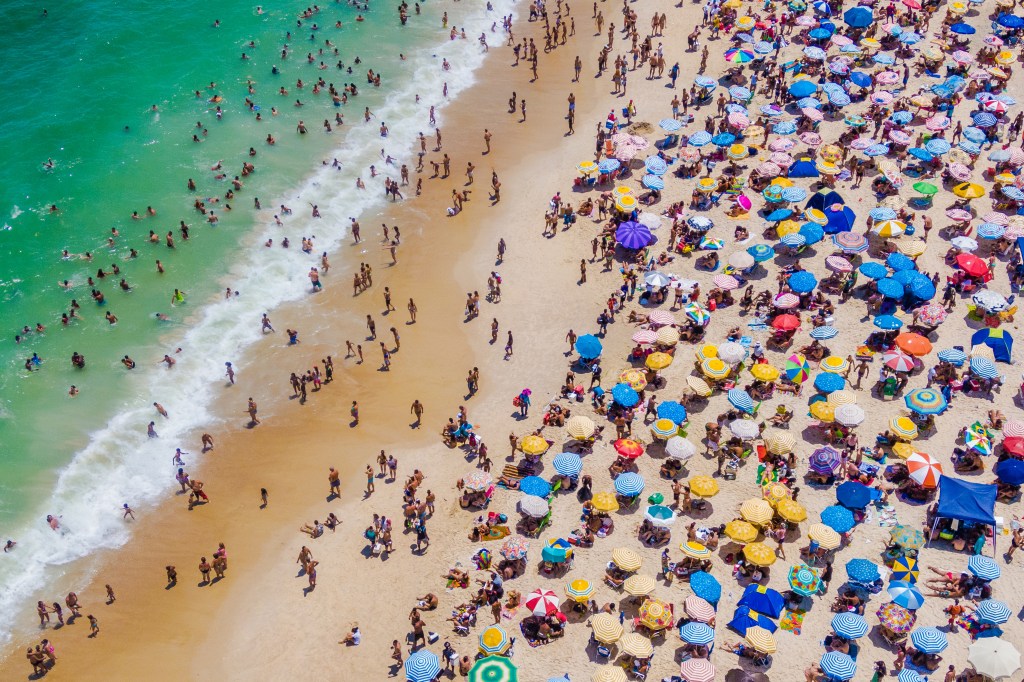
Beaches are vital for the survival of sea turtles as these habitats are used for nesting by females, incubation of eggs and by hatchlings making their way to the ocean. However, the increasing presence of human beach activity is negatively impacting nesting females, egg clutches and hatchlings. Night time human activity can prevent sea turtles from coming ashore to lay their eggs resulting in females resorting to nesting on a beach with less than ideal nesting conditions or depositing her eggs in the ocean, both with slim chances of survival for hatchlings. Beach furniture and other recreational equipment, such as umbrellas, cabanas, small boats and canoes, can also prevent turtles from nesting and increase the number of fake crawls, thus reducing nesting success. These barriers cause nest mortality by restricting nesting to the lower beach where eggs are more likely to be washed away by wave action. Beach furniture also pose as obstacles for nesting females as they can become entrapped in them. Objects on the beach can also pose a hazard to hatchlings as they get trapped in depressions and are unable to make it to the ocean.
Beach driving is also detrimental as it can disturb and potentially injure or kill nesting females, compact and damage nests, and crush eggs and hatchlings. Tyre tracks can also extend the time it takes hatchlings to reach the ocean due to the sand depressions created, thus increasing their chance of being caught by a predator. Driven beaches result in lower incubation temperatures, potentially resulting in a lower percentage of female hatchlings. Additionally, beach driving contributes to erosion, especially during high tides or on narrow beaches.
Scientists have discovered that some chemicals found in sunscreens and other personal health products can cause bleaching in coral reefs, an important food source and habitat for many marine creatures including sea turtles, particularly Hawksbills. Corals are usually covered in zooxanthellae. These tiny creatures absorb light and use photosynthesis to create food for the coral. When corals become stressed due to increased water temperatures or pollution from chemicals found in sunscreens, they can stimulate dormant viral infections in the zooxanthellae. Sunscreen chemicals cause viruses within the zooxanthellae to replicate until their algal hosts exploded, spilling viruses into the surrounding seawater, which could potentially spread infection to nearby coral communities. Without the zooxanthellae, they lose their main food and oxygen source and the wide array of colours that make corals so attractive, exposing the protective skeletons of the corals. Bleached corals are more vulnerable to disease. Their growth is stunted and the damage will negatively impact the surrounding marine life. Although it is possible for some to recover, most bleached corals will starve to death.
Chemicals found in sunscreens can further cause deformities in both coral larvae and baby corals, damage coral DNA and cause abnormal skeletal growth. These chemicals also impair growth and photosynthesis in green algae (a food sources for Green Sea Turtles), induce defects in young mussels, damage immune and reproductive systems and deform young sea urchins, decrease fertility and reproduction in female fish and cause female characteristics in male fish, and accumulate in tissues creating lumps that can be transferred to young dolphins. It is estimated that roughly 14,000 tons of sunscreen enter waterways across the globe every year from both sunscreen applications and wastewater run-off. Researchers estimate that approximately 10% of the world’s coral reefs are potentially threatened by sunscreen that washes off swimmers in reef waters. As tourism increases in tropical reef areas, the impact of sunscreens on coral bleaching could rise significantly in the future. Chemicals in sunscreens that can harm marine life include:
- Oxybenzone
- Benzophenone-1
- Benzophenone-8
- OD-PABA
- 4-Methylbenzylidene Camphor
- 3-Benzylidene Camphor
- Nano-Titanium Dioxide
- Nano-Zinc Oxide
- Octinoxate
- Octocrylene
When activated by light, oxybenzone can turn into a deadly toxin to sea anemones. While algae can soak up the toxin, thus reducing the damage, unfortunately some anemones lack algae resulting in them unable to recover. While mineral suncreen is reef-friendly alternative to chemical sunscreens, they sometimes contain nano-particles which are so small that they can be absorbed by marine life. These minerals are toxic to many ocean species and can cause stress and ultimately death, even at low concentrations.
Light pollution is a major threat of beach activities on nesting females and hatchlings. Boating activity is also a threat to sea turtles, particulary in shallow waters. And the existence of beach activities increases plastic pollution. For more information on the threats of light pollution, boating activities and plastic pollution, see Light Pollution, Vessel Collisions and Plastic Pollution, respectively.
Summary
- Beaches are used by nesting females, incubation of eggs, and hatchlings making their way to the ocean.
- Night time human activity can prevent sea turtles from coming ashore to lay their eggs resulting in females resorting to nesting on a beach with less than ideal nesting conditions or depositing her eggs in the ocean.
- Beach furniture and other recreational equipment can prevent turtles from nesting and increase the number of fake crawls.
- Furniture and recreational equipment also act as barriers by restricting nesting to the lower beach where eggs are more likely to be washed away by wave action.
- They also pose as obstacles for nesting females as they become entrapped in them, and for hatchlings as they get trapped in depressions and are unable to make it to the ocean.
- Beach driving can disturb and potentially injure or kill nesting females, compact and damage nests, and crush eggs and hatchlings.
- Tyre tracks extend the time it takes hatchlings to reach the ocean due to the sand depressions created, and increase their risk of being caught be a predator.
- Driven beaches result in lower incubation temperatures, potentially resulting in a lower percentage of female hatchlings.
- Beach driving contributes to erosion, especially during high tides or on narrow beaches.
- Some chemicals found in sunscreens and other personal health products can cause bleaching in coral reefs and harm other marine creatures, including oxybenzone, octinoxate and octocrylene.
- Light pollution, boating activities and the increase in plastic pollution are additional threats caused by beach activities (for more information, see respective links).
Solution

Driving on beaches must be prohibited globally as it disturbs and damages all forms of coastal life and their habitats, incuding sea turtles, nests and the surrounding vegetation.
When visiting the beach, make sure all items brought to the beach, including litter, is taken away. Avoid digging holes on the beach. If holes are dug, ensure they are filled back up before leaving. All furniture, such as beach chairs, tables and umbrellas, should be removed every evening. Signage along the beach should be put up to remind users to adhere to these recommendations.
During nesting season, restricted access to the beaches should be implemented, including no access to beaches with nests throughout the season and at night during nesting.
In addition, dune and beach vegetation must be protected as these are vital for the stabilisation of sand as they help accumulate sand and prevent erosion. They are also prime nesting locations for sea turtles. These zones must be inaccessible and secure, with signage informing the public and providing them with educational information on local beach and dune system dynamics and why these areas are blocked off, thus raising awareness. Furthermore, the public should be given opportunities to join organisations to help replant native vegetation on dunes to refortify the beach.
Education about the impacts beach activities have on sea turtles and other animals and vegetation is vital to ensure that people understand the importance of wildlife conservation, and that they do their part to respect nature and take care of the natural inhabitants of the beach.
Avoid using sunscreen that contain harmful chemicals. Unfortunately the term “reef-friendly” is not regulated, so you can’t always trust products with this description. Look for brands that contain zinc oxide and titanium oxide. These use biodegradable mineral (physical) UVA and UVB filters that physically shields the skins from absorbing rays, whereas chemical filters absorb UV and turn it into heat that’s released from skin. Be sure to use micro-sized (or non-nano) mineral sunscreens as these are less likely to be absorbed by marine life. It’s also advised to stick with lotions and avoid spray or misting sunscreens, especially those that contain titanium dioxide as it can be harmful to your health if inhaled, and be washed into the ocean after it has settled on the sand. Haereticus Environmental Lab (HEL) publishes a list each year of what sunscreens are safe for the environment and are Protect Land + Sea certified, and the Environmental Working Group (EWG) rates products with SPF values on their environmental impact. In addition, utilise other forms of sun protection such as shade, sun hat, UV sunglasses, sun shirt and leggings. Signage should be placed on beaches advocating for reef-safe sunscreen to be used, and to spread awareness. Ensure your local stores are selling “reef-friendly” options and advocate for local legislation that bans the sale and use of toxic sunscreens. In 2018, Hawaii passed the first ever statewide ban on oxybenzone and octinoxate sunscreens, soon after, island nations including Palau, Bonaire and Aruba followed suite.
Beach activity is also highly dependent on human population. As human population eventually declines, the amount of human activity on beaches should also decline and be more easily managed.
For more information on the solutions of light pollution, boating activities and plastic pollution, see Light Pollution, Vessel Collisions and Plastic Pollution, respectively.
Summary
- Prohibit beach driving.
- All furniture, recreational items and litter brought to the beach must be taken back after every visit.
- Avoid digging holes on the beach. If holes are dug, ensure that they are filled back up before leaving.
- Signage should be implemented along the beach to remind users to adhere to recommendations.
- During nesting season, prohibited access to the beaches should be implemented.
- Dune and beach vegetation must be protected and signage implemented with educational information on local beach and dune system dynamics.
- Public should be given opportunities to join organisations to help replant native vegetation on dunes to refortify the beach.
- Educate the public about the impacts beach activities have on sea turtles and other animals and vegetation.
- Avoid using sunscreen that contain harmful chemicals. Look for brands that contain non-nano zinc oxide and titanium oxide in lotion form. Utilise other forms of sun protection such as shade, sun hat, UV sunglasses, sun shirt and leggings.
- Signage should be placed on beaches advocating for reef-safe sunscreen to be used, and to spread awareness.
- As human population eventually declines, the amount of human activity on beaches should also decline and be more easily managed.
- See respective links for more information on the solutions of light pollution, boating activities and plastic pollution.
References
Coral Reef Alliance: Sunscreen 101 – Protecting Your Skin and Coral Reefs
Environmental Working Group: EWG’s 17th Annual Guide to Sunscreens
Haereticus Environmental Laboratory (HEL): Protect Land + Sea Certification
Miller, I. B., Pawlowski, S., Kellermann, M. Y. et al. Toxic Effects of UV Filters from Sunscreens on Coral Reefs Revisited Regulatory Aspects for “Reef-Safe” Products. Environmental Sciences Europe 33(74) (2021).
National Geographic: What Sunscreens are Best for You and the Planet?
NOAA: Skincare Chemicals and Coral Reefs
Save the Reef: Reef Safe Sunscreen Guide
Sea Turtle Conservancy: Threats from Beach Activities
See Turtles: Coastal Development & Sea Turtles
Smithonian: The Truth About Corals and Sunscreen
Sustainable Travel International: Sunscreen is Damaging Our Coral Reefs – How Can We Protect Them AND Our Skin?
SWOT: Threat Series – Coastal Development
Tibbetts, J. Bleached, But Not By The Sun: Sunscreen Linked To Coral Damage. Environmental Health Perspectives 116(4), 173 (2008).
 Koru Honu